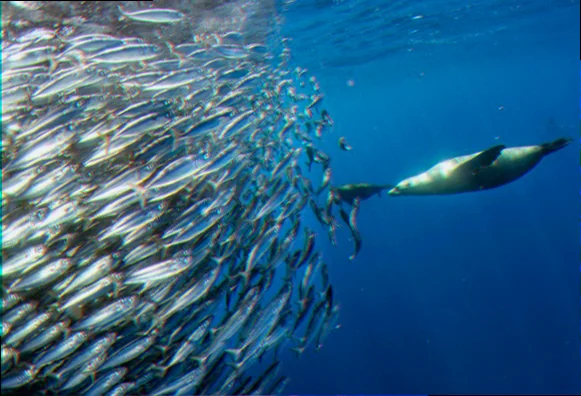
Australian sea lions, Neophoca cinerea, are unique marine mammals renowned for their complex social structures and opportunistic hunting strategies. Found exclusively along the southern and western coasts of Australia, they play a crucial role in maintaining the health of nearshore reef ecosystems by regulating prey populations. Their hunting techniques are highly adaptable, varying based on prey availability and environmental conditions, and are essential for their survival in a dynamic marine environment. Understanding these strategies is vital for effective conservation efforts, as they are currently classified as endangered.
Scientific Classification and Description
Kingdom → Animalia → Phylum → Chordata → Class → Mammalia → Order → Carnivora → Family → Otariidae → Genus → Neophoca → Species → Neophoca cinerea. Australian sea lions are relatively small compared to other sea lion species. Adult males typically measure between 2.5 to 3.3 metres in length and weigh between 250 to 300 kilograms, while females are considerably smaller, ranging from 1.8 to 2.2 metres long and weighing 80 to 110 kilograms. Pups at birth weigh approximately 6.8 kilograms and rapidly gain weight during their first year.
Identifying Features at a Glance
| Feature | Detail |
|---|---|
| Scientific name | Neophoca cinerea |
| Size (adult) | Males: 2.5-3.3m, 250-300kg; Females: 1.8-2.2m, 80-110kg |
| Endemic range | Western Australia, South Australia, Victoria, and Tasmania |
| Conservation status | IUCN: Endangered; Australian National Listing: Endangered |
| Lifespan | 15-26 years (wild); up to 30 years (captivity) |
Habitat and Distribution in Australia
- Primary biome: Temperate coastal reefs, rocky islands, and sheltered bays.
- Geographic range: Primarily found along the coasts of Western Australia (from the Houtman Abrolhos Islands southwards), South Australia (including the Great Australian Bight), Victoria, and Tasmania. Historically, they ranged further east into New South Wales, but are now rarely observed there.
- Microhabitat: They favour secluded beaches and caves on islands and along the coastline for breeding and pupping. They also utilize rocky reefs for foraging and resting.
- Altitude / depth range: Sea lions operate primarily at depths between 0-60 metres, though they have been recorded diving to depths exceeding 120 metres during foraging expeditions.
- Seasonal movement: While not undertaking long-distance migrations, Australian sea lions exhibit localized movements based on breeding cycles and prey availability. Males will establish temporary territories during breeding season, defending access to harems of females.
Diet, Hunting, and Feeding Ecology
Australian sea lions have a diverse diet consisting primarily of fish, squid, octopus, and crustaceans. Their hunting strategy is remarkably opportunistic, employing both benthic foraging and pelagic hunting techniques. They are known to forage in complex reef systems, using their sensitive vibrissae (whiskers) to detect prey hidden amongst rocks and crevices. A unique foraging behaviour, rarely observed in other pinnipeds, is their ability to hunt cooperatively within kelp forests, flushing out prey from the dense vegetation. They consume approximately 5-8% of their body weight daily, translating to roughly 15-24 kilograms of food for an average adult male. Their diet composition varies geographically; for example, populations in Western Australia rely heavily on Australian salmon (Arripis trutta), while those in South Australia consume more cephalopods.
Reproduction and Life Cycle
The breeding season for Australian sea lions is highly variable, occurring between May and December, but peaking between August and November. This extended breeding season is unusual amongst pinnipeds. Females typically give birth to a single pup after a gestation period of approximately 11.5 months. Pups are nursed for 18 months, a remarkably long lactation period compared to other sea lions, and are dependent on their mothers for an extended period. Juvenile development involves several stages: a pelagic weaning phase where pups learn to forage independently, followed by a period of social learning and skill development within the colony. Females reach sexual maturity around 4-5 years of age, while males mature later, typically between 6-8 years.
Unique Adaptations Exclusive to This Species
- Physiological adaptation 1: Australian sea lions possess a highly efficient countercurrent heat exchange system in their flippers, minimizing heat loss in the cold southern waters. This system involves closely positioned arteries and veins, allowing heat from arterial blood to warm the returning venous blood, reducing energy expenditure for thermoregulation.
- Behavioural adaptation 2: Their colonial breeding behaviour, coupled with the extended lactation period, fosters strong mother-pup bonds and facilitates the transfer of foraging knowledge across generations. This is crucial for pup survival in a challenging marine environment.
- Sensory adaptation 3: Australian sea lions exhibit exceptional underwater vision, particularly in low-light conditions. Their eyes possess a tapetum lucidum, a reflective layer behind the retina, enhancing light sensitivity and improving their ability to locate prey in murky waters.
Threats, Conservation, and Human Interaction
The primary threats to Australian sea lion populations include entanglement in fishing gear, particularly rock lobster traps, habitat degradation due to coastal development, and climate change impacts such as rising sea temperatures and altered prey distribution. A particularly concerning threat is disease outbreaks, such as phocine distemper virus, which can cause significant mortality events. Active conservation programs include the Australian Marine Mammal Protection Network (AMMPN), which coordinates research and rescue efforts, and fisheries management strategies aimed at reducing bycatch. The South Australian government also implements marine protected areas to safeguard critical breeding colonies.
Frequently Asked Questions
Is Hunting strategies of wa sea lions venomous or dangerous to humans?
Australian sea lions are not venomous. While generally not aggressive, they are powerful animals and can inflict serious bites if provoked or if they feel threatened, particularly during breeding season when protecting their pups. Bites can cause significant tissue damage and require medical attention, including wound cleaning and potential antibiotic treatment to prevent infection.
Where is the best place in Australia to see Hunting strategies of wa sea lions in the wild?
The best locations to observe Australian sea lions in the wild include the Jurien Bay Marine Park in Western Australia, Seal Bay Conservation Park on Kangaroo Island in South Australia, and the islands off the coast of Victoria, such as Seal Rocks. Guided tours are available at Seal Bay, providing a responsible and informative viewing experience.
What is the difference between Hunting strategies of wa sea lions and similar species?
Australian sea lions are distinct from New Zealand sea lions (Phocarctos hookeri) and California sea lions (Zalophus californianus) in several key aspects. Unlike the more vocal California sea lions, Australian sea lions are relatively quiet, and their barking is less frequent. They also exhibit a unique, prolonged lactation period of 18 months, significantly longer than that of other sea lion species. Furthermore, their distribution is entirely endemic to Australia, whereas New Zealand and California sea lions have distinct geographic ranges.