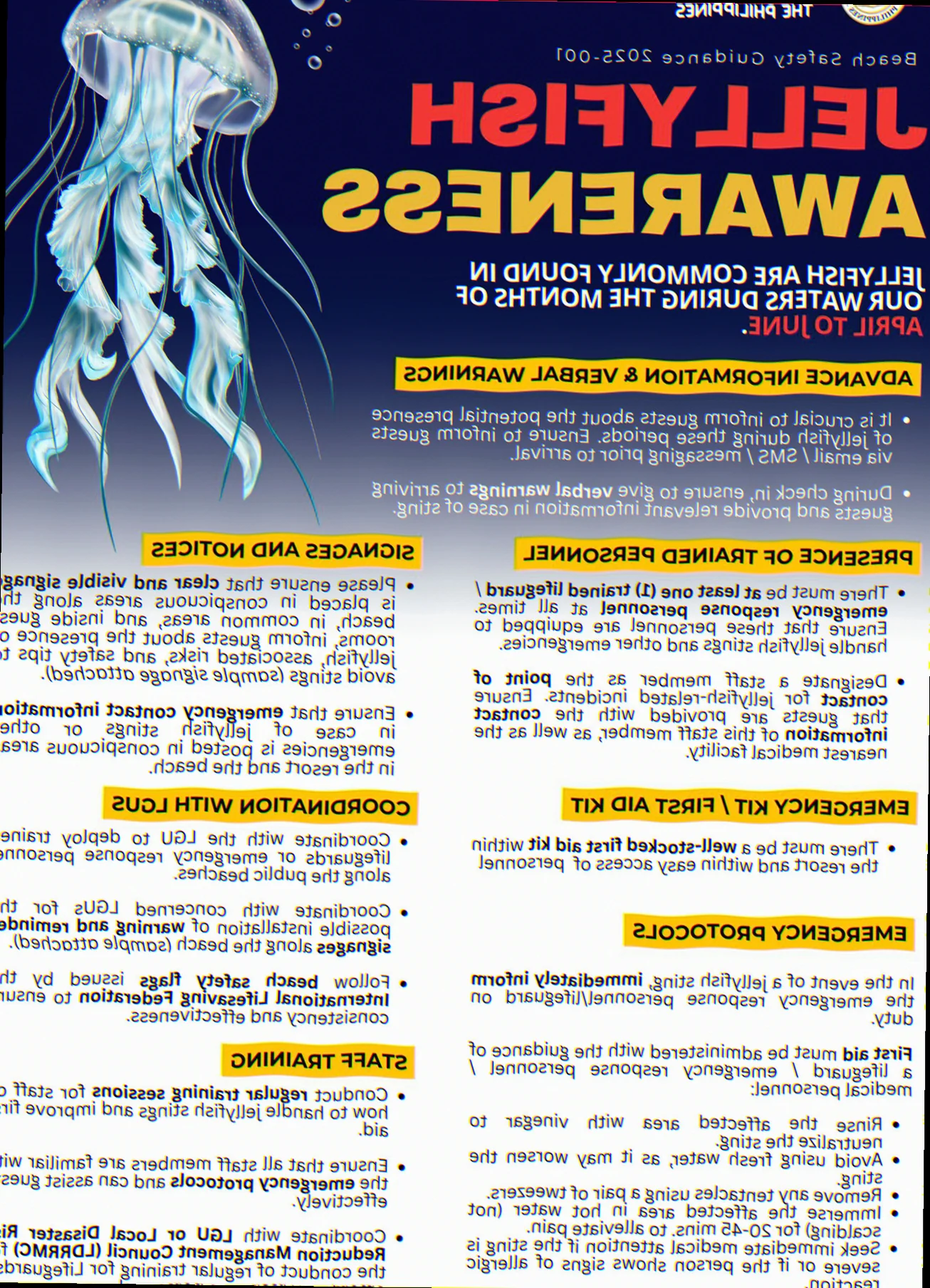
Ecological significance: Jellyfish, encompassing numerous species, occupy a crucial mid-trophic level in many Australian marine ecosystems. Primarily carnivorous, they consume zooplankton and small fish, transferring energy upwards to larger predators like sea turtles and sunfish. A decline in jellyfish populations could disrupt these energy flows, impacting the health of coral reefs and pelagic fish stocks. Conversely, large blooms can negatively affect tourism and fisheries, highlighting the complex role of jellyfish in maintaining ecosystem balance.
Species Profile
| Attribute | Data |
|---|---|
| Scientific name | Chironex fleckeri (Box Jellyfish) |
| Trophic level | Carnivore/Apex Predator (within its zooplankton and small fish prey base) |
| Population estimate | Precise population estimates are difficult due to jellyfish's life cycle and patchy distribution, but seasonal aggregations in northern Australian waters can reach densities of up to 100 individuals per 100m3 during peak stinger season (source: Australian Institute of Marine Science). |
| Native range | Northern Australia (Queensland, Northern Territory, Western Australia), Papua New Guinea, Philippines, Indonesia. |
| EPBC Act status | Not listed |
Position in the Food Web
- Prey species: Chironex fleckeri primarily feeds on small fish (e.g., cardinalfish, silversides) and crustaceans (e.g., copepods, shrimp). They use their nematocyst-laden tentacles to immobilize prey with a potent venom, then draw the prey towards their mouth.
- Predators: The Loggerhead Turtle (Caretta caretta) is a significant predator of box jellyfish, exhibiting immunity to their sting. Other potential predators include larger fish like the Oceanic Sunfish (Mola mola) and some species of sea snakes.
- Competitors: Jellyfish compete with other planktivorous organisms, such as salps and some species of fish larvae, for zooplankton resources. Increased salp populations, particularly during warmer periods, can reduce zooplankton availability, impacting jellyfish growth and reproduction.
- Symbiotic partners: Small fish, such as the juvenile Four-lined Spinecheek (Dixanthus marginatus), are often observed sheltering within the bell of larger jellyfish, gaining protection from predators. This is a commensal relationship, benefiting the fish while having no significant effect on the jellyfish.
- Keystone role: While not strictly a keystone species, Chironex fleckeri plays an important role in regulating populations of its prey species. Large blooms can significantly reduce local fish populations, influencing the structure of reef communities.
Habitat Requirements and Microhabitat Use
Chironex fleckeri inhabits the warm, coastal waters of northern Australia, particularly estuaries, mangrove areas, and shallow coral reefs. They prefer calm, sheltered bays and are often found near river mouths where freshwater runoff creates a stratified water column. The species is most prevalent in the bioregions of the Coral Sea and the Timor Sea, specifically within the Great Barrier Reef Marine Park and the Gulf of Carpentaria. They require relatively clear water for optimal hunting and are sensitive to significant turbidity. Water temperatures between 26-32°C are ideal, and they are most abundant during the warmer months (October to May) - the ‘stinger season'.
Reproductive Strategy and Population Dynamics
Box jellyfish exhibit a complex life cycle with both polyp and medusa stages, making them effectively K-selected, though with rapid reproductive potential during medusa blooms. Polyps, which are sessile and reproduce asexually through budding, establish on hard substrates like coral rubble or mangrove roots. Environmental cues, particularly increasing water temperature and rainfall, trigger the production of medusae (the free-swimming jellyfish form) through strobilation. Medusae are short-lived, typically only a few months, and reproduce sexually, releasing gametes into the water column for external fertilization. Juvenile polyp survival is relatively high, but medusa survival is heavily influenced by predation and water quality. Population growth is primarily limited by food availability (zooplankton abundance) and suitable substrate for polyp colonization. Blooms are often linked to increased nutrient runoff from land following heavy rainfall events.
Threats and Vulnerability Analysis
- Introduced species pressure: The introduction of the Crown-of-Thorns Starfish (Acanthaster planci) can indirectly impact jellyfish populations by degrading coral reefs, reducing suitable habitat for polyp colonization.
- Land-use change: Coastal development and agricultural runoff increase sedimentation and nutrient loading, degrading water quality and impacting polyp survival and medusa development. Clearing of mangrove forests removes crucial nursery habitat for both jellyfish polyps and their prey.
- Climate projections: Warming ocean temperatures and increased frequency of extreme weather events (cyclones, floods) are projected to exacerbate jellyfish blooms by 2050. Increased rainfall will lead to greater nutrient runoff, while warmer temperatures will accelerate polyp strobilation and medusa growth. Ocean acidification may also negatively impact polyp calcification.
- Disease: While specific jellyfish diseases are not well-documented, increasing water temperatures and pollution levels may increase their susceptibility to pathogens and parasites.
Recovery Actions and Research Gaps
Currently, management focuses on public safety through stinger nets, protective clothing, and vinegar treatment for stings. There are no specific, large-scale recovery plans for Chironex fleckeri. Research efforts are focused on understanding bloom dynamics and developing more effective sting treatments. A critical data gap remains in understanding the long-term impacts of climate change on polyp distribution and survival rates. Further research is needed to determine how ocean acidification affects polyp calcification and the overall resilience of jellyfish populations to environmental stressors.
Ecological FAQ
Why is Jellyfish safety and awareness important to its ecosystem?
Chironex fleckeri, as a significant predator of small fish and zooplankton, helps regulate prey populations and maintain the balance of energy flow within coastal ecosystems. By controlling the abundance of certain prey species, they prevent overgrazing of algae and maintain the health of coral reefs. Their presence also provides a food source for larger predators like turtles, contributing to the overall biodiversity of the region.
How has the Jellyfish safety and awareness population changed over the last 50 years?
There has been a noticeable increase in the frequency and intensity of box jellyfish blooms in northern Australia over the last 50 years. This trend is largely attributed to increased nutrient runoff from land due to agricultural expansion and coastal development, coupled with warming ocean temperatures. While historical data is limited, anecdotal evidence from local communities and increased hospital admissions for stings support this observation.
What can individuals do to support Jellyfish safety and awareness conservation?
Individuals can support jellyfish conservation by reducing their environmental footprint. This includes minimizing fertilizer use, supporting sustainable agricultural practices, reducing plastic pollution (which can be ingested by jellyfish prey), and advocating for responsible coastal development. When visiting northern Australian beaches during stinger season, always swim within designated stinger nets, wear protective clothing (e.g., stinger suits), and heed local safety warnings. Reporting jellyfish sightings to local authorities can also contribute to monitoring efforts.