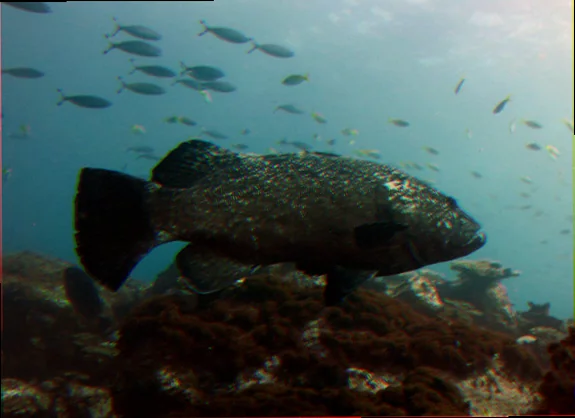
Ecological significance: The Black cod, a significant component of the solitary islands' marine ecosystem, occupies a mid-trophic level, acting as both predator and prey. Its populations are crucial for regulating smaller reef fish communities and providing a vital food source for larger predatory species. A decline in Black cod populations would likely lead to cascading effects, potentially resulting in an increase in their prey species and a decrease in the populations of their own predators, thereby disrupting the delicate balance of the Australian food web.
Species Profile
| Attribute | Data |
|---|---|
| Scientific name | Epinephelus daemelii (Bleeker, 1879) |
| Trophic level | Omnivore / Carnivore (primarily piscivorous) |
| Population estimate | Estimates vary significantly across different locations. For the Solitary Islands Marine Park, a 2012 study estimated densities of 0.15 to 0.3 individuals per hectare in suitable reef habitats. Recent unpublished data from ongoing monitoring programs suggest a potential decline in some of the more accessible areas. |
| Native range | Eastern Australia, from Queensland (including the Great Barrier Reef) to New South Wales, extending to Lord Howe Island. Also found in parts of New Zealand. |
| EPBC Act status | Not listed |
Position in the Food Web
- Prey species: Black cod are primarily piscivorous, feeding on a variety of reef fishes, including smaller serranids, pomacentrids (damselfish), and labrids (wrasses). They employ a sit-and-wait ambush strategy, lunging rapidly from their benthic retreats to capture unsuspecting prey. Juveniles may also consume invertebrates such as crustaceans and molluscs.
- Predators: While adult Black cod have few natural predators due to their size and robust nature, juveniles are vulnerable to predation by larger predatory fish such as sharks (e.g., Grey Reef Shark, Carcharhinus amblyrhynchos) and larger groupers. Larger individuals may occasionally fall prey to apex predators like Great White Sharks, though this is likely rare.
- Competitors: Black cod compete with other predatory reef fish for food resources. This includes other large serranids like Estuarine Cod (Epinephelus fuscoguttatus) and Coral Trout (Plectropomus leopardus) in overlapping habitats, as well as larger moray eels.
- Symbiotic partners: Black cod exhibit a commensal relationship with certain cleaner fish species, such as the Bluestreak Cleaner Wrasse (Labroides dimidiatus). Cleaner wrasse will regularly visit Black cod to remove external parasites and dead skin, providing a health benefit to the cod without any apparent harm or benefit to the wrasse itself (mutualism is also debated, with the wrasse gaining a reliable food source).
- Keystone role: Black cod are considered an important component of the reef ecosystem but are not typically classified as a keystone species. Their role as a significant predator helps regulate populations of smaller reef fish, contributing to overall reef biodiversity and stability. They can also serve as an indicator species for reef health due to their relatively long lifespan and sensitivity to habitat degradation.
Habitat Requirements and Microhabitat Use
Black cod inhabit a range of temperate and subtropical marine environments along the Australian coast. They are most commonly found in complex rocky reef systems, coral reefs, and artificial structures, typically at depths ranging from 5 to over 100 metres. Within the Solitary Islands Marine Park, they favour sheltered areas with abundant crevices and overhangs, which provide essential shelter for juveniles and ambush points for adults. They are often associated with the rocky reef communities characteristic of the Eastern Australian Continental Shelf Bioregion. Their presence is also linked to areas with moderate to high fish biomass, as this indicates a sufficient prey base.
Reproductive Strategy and Population Dynamics
Black cod are considered a K-selected species, characterised by relatively slow growth, late maturation, and a life history strategy focused on producing fewer, larger offspring with a higher chance of survival. They are gonochoristic, meaning individuals are either male or female, and they are protogynous hermaphrodites, though this is less commonly observed and may be size or age-dependent. Spawning typically occurs during warmer months, with peak activity often observed between spring and summer. Limited research exists on their specific breeding triggers in the wild, but likely involve a combination of water temperature and photoperiod. Juvenile survival rates are thought to be low, with significant mortality occurring due to predation and competition. Population growth is primarily limited by factors such as fishing pressure, habitat availability, and the availability of suitable prey. Due to their relatively slow reproductive rate, populations can take a considerable time to recover from depletion.
Threats and Vulnerability Analysis
- Introduced species pressure: While direct impacts of introduced species on Black cod are not well-documented, introduced marine pests could potentially compete for resources or introduce novel diseases. More broadly, introduced species affecting their prey base could have indirect impacts.
- Land-use change: Land-based activities, such as coastal development and agricultural runoff, can lead to increased sedimentation and pollution of nearshore waters. This can degrade reef habitats, impacting the complex structure that Black cod rely on for shelter and foraging.
- Climate projections: By 2050, warming ocean temperatures and increased ocean acidity are projected to impact the health of coral reefs and other benthic habitats, which are crucial for Black cod. Shifts in prey species distribution due to climate change could also affect their food availability. Increased frequency and intensity of marine heatwaves could lead to localised mortality events.
- Disease: While specific widespread diseases affecting Black cod are not extensively documented in the scientific literature, like all marine organisms, they are susceptible to parasitic infections and bacterial or viral diseases. Disease outbreaks, particularly in stressed or crowded populations, could lead to increased mortality.
Recovery Actions and Research Gaps
Existing recovery actions for Black cod primarily revolve around fisheries management. This includes the implementation of size and bag limits in commercial and recreational fishing sectors, and the establishment of marine protected areas like the Solitary Islands Marine Park, which restrict or prohibit fishing. Ongoing monitoring programs are crucial for assessing population trends and informing management decisions. A critical data gap that researchers still need to fill is a comprehensive understanding of their larval dispersal patterns and the connectivity between different populations, particularly between the mainland coast and offshore islands. This information is vital for designing effective marine reserve networks and understanding the resilience of isolated populations.
Ecological FAQ
Why is Black cod population assessment solitary islands important to its ecosystem?
Black cod are important apex predators within their reef ecosystems. By preying on a variety of smaller reef fish, they play a crucial role in regulating the abundance and diversity of these prey species. This top-down control helps maintain the structure and function of the reef community. Their presence also supports other species through symbiotic relationships, such as cleaner fish. A healthy Black cod population is indicative of a healthy reef system, making them a valuable component of the marine food web.
How has the Black cod population assessment solitary islands population changed over the last 50 years?
Over the last 50 years, populations of Black cod in many areas have likely experienced declines, particularly in regions with high fishing pressure. Historically, they were a target species for both commercial and recreational fishing due to their size and edibility. While specific long-term datasets for the Solitary Islands are limited, anecdotal evidence and trends observed in similar species suggest a reduction in larger, older individuals. The implementation of fisheries management measures and marine protected areas has likely helped to stabilise or even increase populations in some protected zones, but overall trends are complex and vary geographically.
What can individuals do to support Black cod conservation?
Individuals can support Black cod conservation by practicing responsible fishing. This includes adhering to size and bag limits, releasing undersized or excess fish alive, and using sustainable fishing methods. Choosing to consume sustainably sourced seafood is also beneficial. Supporting marine protected areas, such as the Solitary Islands Marine Park, through responsible visitation and adherence to park rules helps protect critical Black cod habitats. Educating oneself and others about the ecological importance of Black cod and participating in citizen science initiatives that monitor marine life can also contribute to their conservation.